Anasayfa / Blog
In-plant logistics and material transfer processes are the most critical stage in determining the overall speed and efficiency of a production line. Choosing the right conveyor system is not just about moving products from point A to point B; it means building a fully integrated automation network that eliminates bottlenecks.
Load Characteristics and Conveying Capacity The first point where engineering begins in system design is the physical properties of the material to be conveyed. For heavy industrial products, castings or high-tonnage pallets, steel slat or heavy-duty roller conveyors should be preferred. For delicately packaged products or assembly lines, PVC belt or modular plastic belt systems come to the fore. The volume, weight, surface structure and temperature of the load directly determine the motor power, frame strength and bearing technology of the conveyor.
Plant Layout and Space Optimisation Usable floor space in a factory is always limited and the operational cost per square metre is high. For plants looking to save floor space, overhead conveyor systems, cardan conveyors or webb-type lines offer excellent solutions. Where there are level differences along the production line or tight turning radii, Z-type inclined conveyors and flexible curve modules should be used to fit the plant layout perfectly.
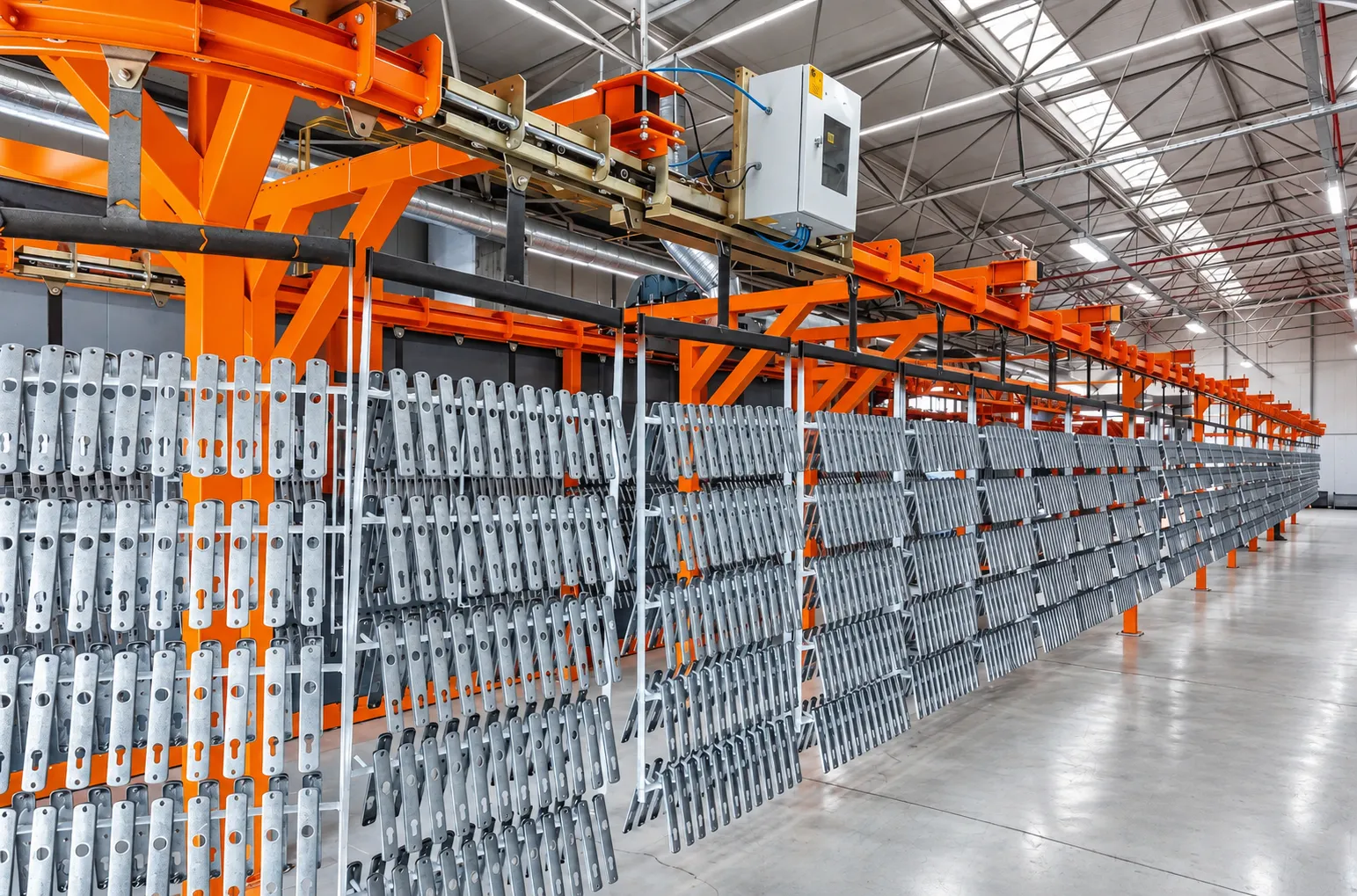
Automation and Process Integration A modern conveyor system is not just a passive carrier but a dynamic part of the smart production network. On lines that require stop-and-go operation — such as assembly, painting, drying or quality control — Power and Free conveyors allow products to be held automatically at specific stations and routed in different directions. Working with PLC-controlled sensors and pneumatic diverters, these systems provide a flawless product flow without human intervention.
Operating Environment and Resistance to Harsh Conditions The ambient conditions of the plant determine the conveyor frame material and drive system. At high-temperature oven outlets, on chemical process lines or in heavy machining (CNC) environments, standard equipment quickly corrodes. In such aggressive environments, stainless steel frames, acid-resistant polyurethane components or special high-temperature alloy chains should be used. In areas with heavy chips and waste, an armoured slat design is essential to fully protect the system against mechanical jams.
Future-Proof Scalability Today’s production capacity may not meet the industrial needs of five years from now. A modular conveyor design allows the system to adapt easily to future line extensions, new stations or route changes. A properly engineered modular system enables capacity increases without shutting down your plant entirely, and more than pays back the initial investment in the long run.