Anasayfa / Blog
Whether it is a large thermoforming line or a conveyor system hundreds of metres long, the biggest enemies of moving mechanical parts in industrial plants (chains, bearings, gears and slides) are friction and the wear it causes over time. To keep production lines running continuously and at high performance, lubricating mechanical components at the right time and in the right amount is vital.
The Drawbacks of Manual Lubrication and Human Error In conventional production plants, lubrication is usually carried out manually at set intervals. However, manual methods come with serious drawbacks. Under a busy production schedule, maintenance intervals are easily forgotten or postponed, causing parts to run dry and overheat. In addition, excess grease applied by hand can collect dust and chips and create an abrasive effect, while too little lubricant increases friction and leads to mechanical losses.
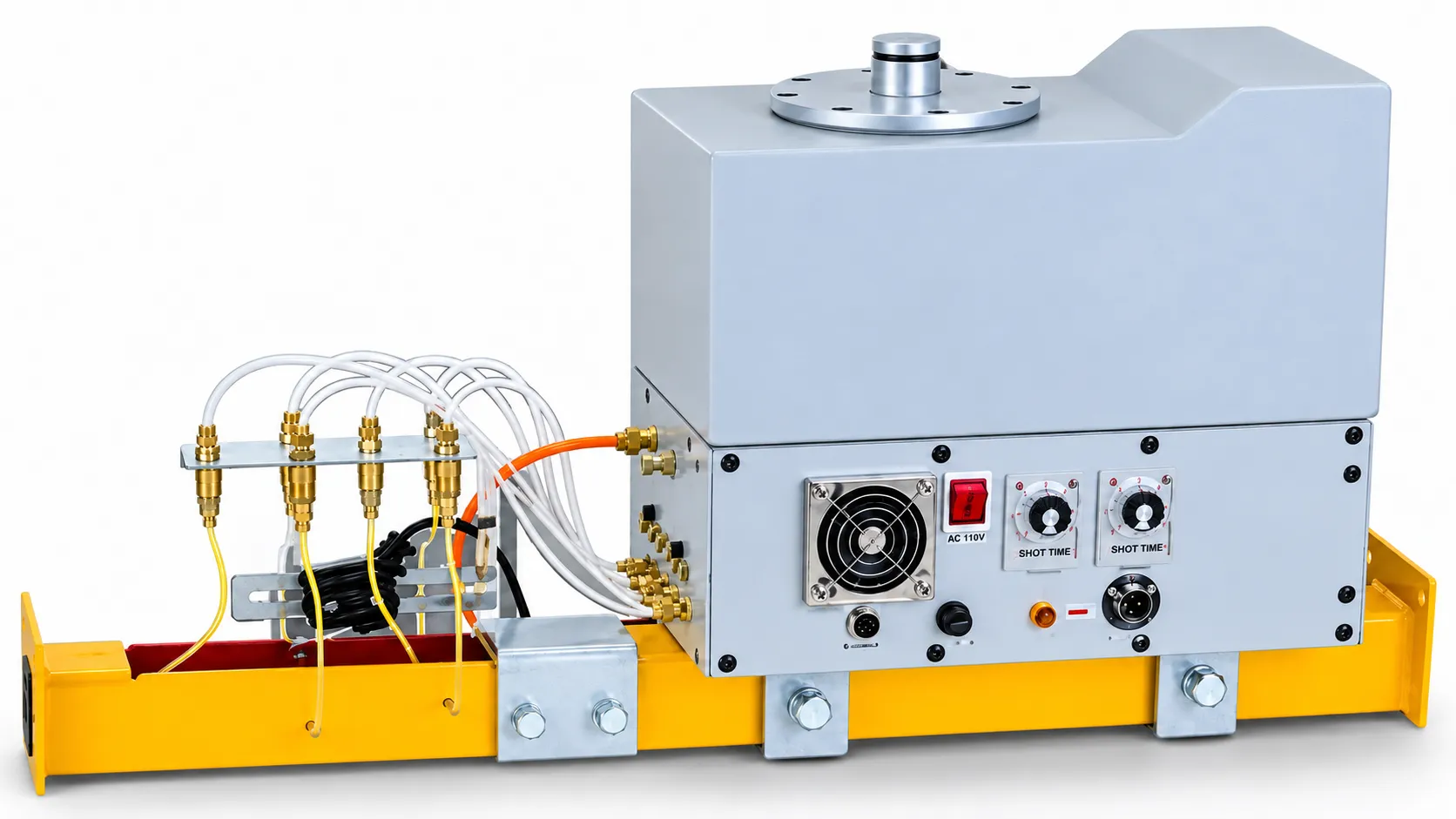
How Automatic Lubrication Systems Work Among modern engineering solutions, automatic machine and chain lubrication systems make this process completely independent of human intervention and intelligent. Integrated into the PLC control unit, these systems activate at set intervals based on machine operating hours or the number of cycles. Using metering pumps, they deliver precise amounts of oil or grease to the most critical friction points.
Key Effects That Extend Machine Life and Reduce Costs
Contribution to Operational Efficiency and Maintenance Costs Automatic lubrication systems pay back their initial investment in a short time. They significantly reduce the frequency of spare part replacement, optimise the routine inspection time of maintenance teams and extend the economic life of production lines by years, delivering maximum profitability to the business.